- Your cart is empty
- Continue Shopping


₹500.00
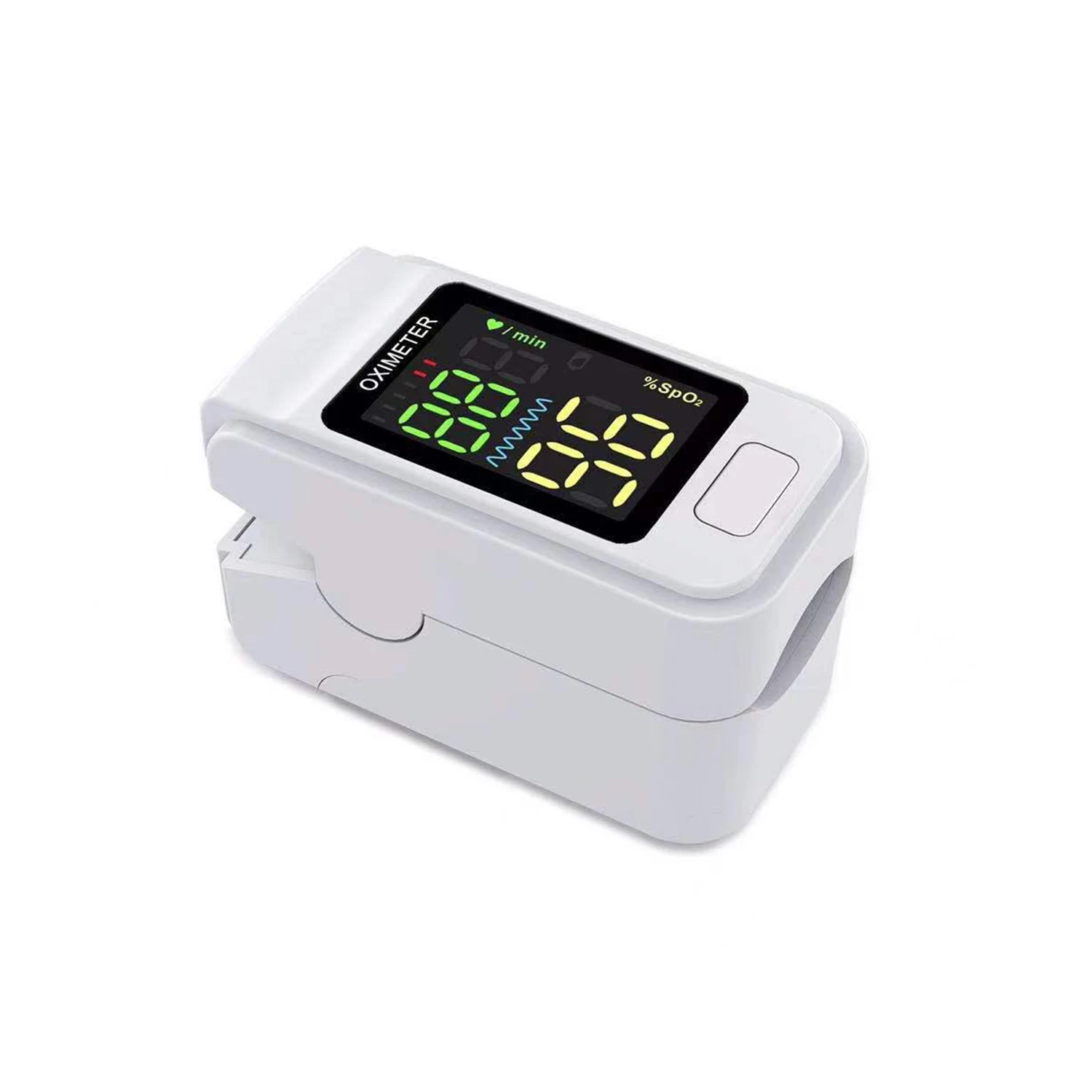
A pulse oximeter is a small, clip-on device that measures your blood oxygen saturation (SpO2) and pulse rate in seconds. Simply clip it onto your fingertip, and the OLED display shows your readings instantly. Moreover, it works equally well at home for daily monitoring and in hospitals for clinical use. It is especially helpful for people managing lung disease, heart conditions, or post-COVID recovery. Lightweight, portable, and completely painless to use.
Knowing your blood oxygen level has never been more important. Whether you are managing a chronic lung condition, recovering from an illness, or simply keeping track of your health, a pulse oximeter gives you accurate, real-time data in seconds. Furthermore, it does this without needles, lab visits, or complicated procedures. You simply clip it onto your finger and read the result.
A pulse oximeter uses two small light beams — one red and one infrared — to measure how much oxygen your blood is carrying. These beams pass through your fingertip and detect the difference between oxygenated and deoxygenated blood. As a result, you get a precise SpO2 (blood oxygen saturation) percentage along with your current pulse rate. Normal SpO2 levels typically fall between 95% and 100%. However, readings below 92% are considered a medical concern and may require immediate attention.
Using a pulse oximeter is straightforward for everyone. Slide your finger into the device, press the power button, and your SpO2 and pulse rate appear on the OLED display within seconds. Additionally, the large, bright display rotates for easy reading from any angle. Consequently, you do not need any medical training to use it effectively, it is designed for patients, caregivers, and healthcare professionals alike.
Pulse oximeters are trusted across a wide range of settings. At home, they help patients with asthma, COPD, and heart disease keep a daily record of their oxygen levels. In hospitals and clinics, doctors and nurses rely on them for quick, non-invasive monitoring during check-ups and procedures. Moreover, athletes and fitness enthusiasts use them to monitor oxygen performance during exercise and high-altitude activities. Therefore, a pulse oximeter is one of the most versatile health monitoring tools available today.
Several groups of people find daily pulse oximeter use particularly valuable. Patients recovering from COVID-19 or pneumonia benefit from tracking oxygen levels at home, since early drops in SpO2 can signal complications before other symptoms appear. Similarly, people with chronic obstructive pulmonary disease (COPD), asthma, or sleep apnea use oximeters to monitor their breathing health between doctor visits. Additionally, elderly individuals and those with cardiovascular conditions use them as part of a routine daily health check.
This pulse oximeter is lightweight and compact enough to carry in a pocket or bag. Therefore, monitoring your health does not have to stop when you leave home. Whether you are traveling, visiting a clinic, or simply moving between rooms, the device is always ready for a quick reading. The auto-shutoff feature conserves battery life, and most models run on standard AAA batteries for convenience.
A pulse oximeter is one of the most affordable and effective health tools a household can own. In fact, doctors frequently recommend keeping one at home alongside a blood pressure monitor. With instant SpO2 readings, pulse rate display, and a compact design, this device gives you a reliable window into your respiratory and cardiovascular health, anytime, anywhere. Above all, it empowers you to make faster, more informed decisions about your wellbeing.
| Specification | Details |
|---|---|
| Measurement Parameters | SpO2 (Blood Oxygen Saturation), Pulse Rate |
| SpO2 Measurement Range | 70% – 99% |
| SpO2 Accuracy | ±2% (80%–99%) |
| Pulse Rate Range | 30 – 240 bpm |
| Pulse Rate Accuracy | ±1 bpm or ±1% |
| Display Type | OLED (Auto-Rotate) |
| Operation | Single Button |
| Power Source | 2 × AAA 1.5V Alkaline Batteries |
| Auto Shut-Off | Yes (activates after ~8 seconds without finger) |
| Measurement Site | Fingertip |
| Suitable For | Adults, Elderly, Children |
| Usage Setting | Home, Hospital, Clinic, Travel |
Real-Time Health Awareness A pulse oximeter puts critical health data in your hands instantly. Rather than waiting for a doctor’s appointment, you can check your SpO2 anytime. Moreover, early detection of low oxygen levels can prevent serious health complications.
Non-Invasive and Painless Unlike blood tests, a pulse oximeter requires no needles, no skin puncture, and no lab sample. Therefore, it is completely safe to use daily, even for children and elderly patients who may be sensitive to other testing methods.
Early Warning for Respiratory Problems Low SpO2 levels often signal breathing issues before other symptoms appear. Consequently, regular monitoring helps patients with asthma, COPD, or COVID-19 recovery catch problems early and seek timely medical care.
Supports Remote Patient Monitoring Patients recovering at home can share daily SpO2 readings with their doctors digitally. As a result, healthcare providers can monitor patients remotely without requiring frequent in-person visits.
Affordable Everyday Health Tool Compared to clinic visits and diagnostic tests, a pulse oximeter is a one-time, low-cost investment. Furthermore, it replaces the need for repeated consultations just to check basic respiratory health metrics.
Medically Reliable, Not Just Indicative This is not a fitness wearable estimate. The pulse oximeter uses clinically validated photoplethysmography (PPG) technology to deliver accurate SpO2 and pulse readings that doctors trust.
Results in Under 10 Seconds Clip it on, and your reading appears within seconds. There are no delays, no warm-up periods, and no complicated steps between you and your health data.
Works for the Whole Family The adjustable fingertip design accommodates different finger sizes — making it suitable for adults, elderly users, and children without any additional attachments.
Ready to Use Straight Away No app download, no Bluetooth pairing, no account creation. The device works immediately out of the box, which makes it perfect for emergency situations and everyday monitoring alike.
Trusted Across Home and Hospital Settings Whether you use it at your bedside, in a clinic, or on a field visit, the pulse oximeter delivers consistent, repeatable results in every environment.

Reviews
There are no reviews yet.